Signs Your Home Needs New Subfloor Installation
If you notice issues like sagging floors or creaking sounds, local contractors specializing in subfloor installation can assess and replace damaged subfloors to restore your home’s stability.
Homeowners noticing uneven floors, persistent creaks, or visible damage beneath their carpets or tiles might be experiencing signs that their home needs new subfloor installation. These issues can indicate that the existing subfloor has become compromised over time, possibly due to moisture, wear, or structural shifts. Addressing these concerns early can help maintain the stability and safety of a property, making it a smart move to explore professional services that specialize in subfloor replacement. Local contractors experienced in these installations can assess the condition of the existing subfloor and recommend solutions tailored to the home’s needs.
For property owners in the area, understanding the warning signs that point to subfloor problems can be a practical step toward preserving the integrity of their living spaces. If floors feel spongy, squeak excessively, or show signs of warping or cracking, it may be time to consider new subfloor installation. Connecting with local service providers who focus on this type of work can ensure the job is done correctly, helping to restore a home's foundation and prevent further issues down the line. Keep reading to learn more about how to recognize these signs and what options are available for your home.
- Subfloor Replacement - when persistent squeaks or uneven flooring indicate deteriorating subfloor conditions that local contractors can assess and repair.
- Water Damage Repair - signs of warping or mold growth may suggest water intrusion that requires professional subfloor replacement from experienced service providers.
- Flooring Installation - when installing new flooring reveals uneven surfaces or instability, local pros can evaluate whether subfloor issues need addressing first.
- Structural Repair - visible cracks or sagging floors can point to compromised subfloor support, which local contractors are equipped to restore.
- Home Renovation Projects - during major upgrades, contractors often recommend subfloor replacement to ensure a stable foundation for new flooring and finishes.
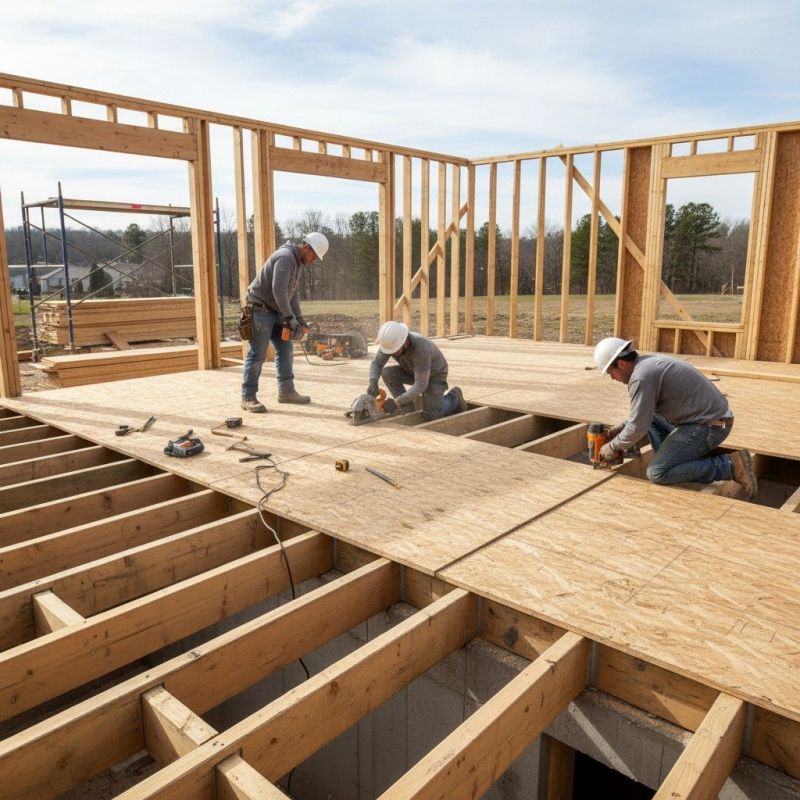
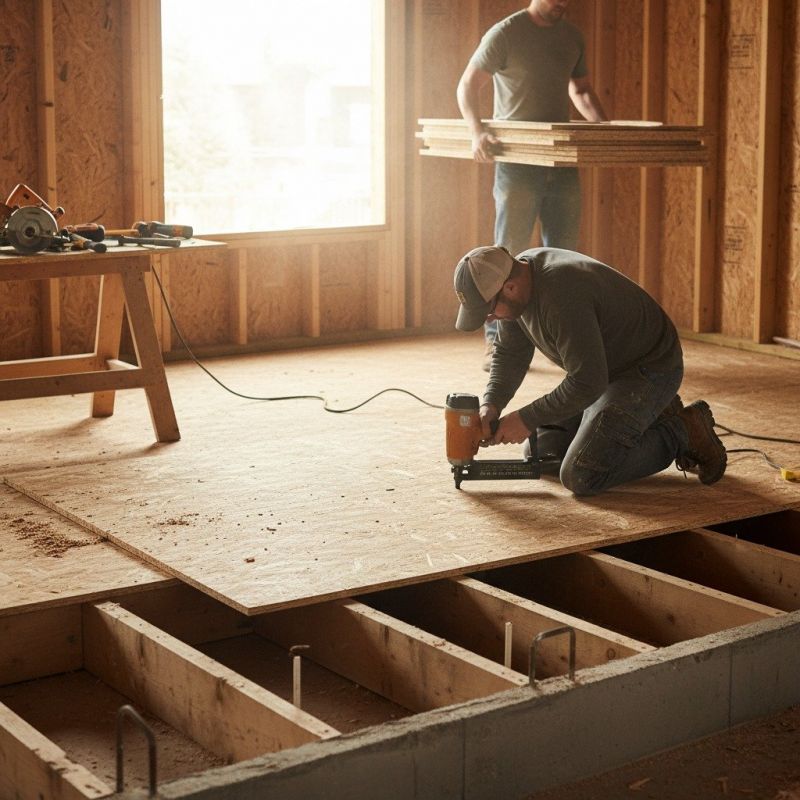
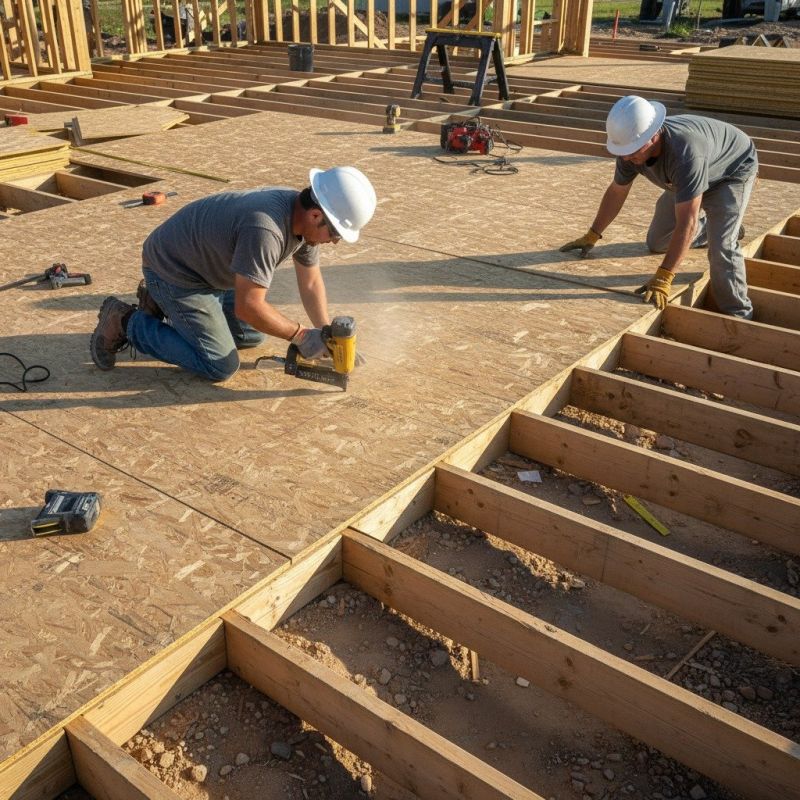
When homeowners search for signs their home needs new subfloor installation, they are usually trying to identify underlying issues that could affect the stability and safety of their floors. The subfloor is the foundational layer beneath the visible flooring surface, such as hardwood, tile, or carpet. If this layer becomes compromised, it can lead to uneven surfaces, creaking sounds, or a feeling of instability when walking through a space. Recognizing these signs early can help homeowners determine whether a repair or complete replacement of the subfloor is necessary to maintain the integrity of their flooring system.
This topic often relates to problems like persistent squeaking, noticeable unevenness, or sagging floors that don’t respond well to repairs. Homeowners may also notice that the floor feels soft or spongy underfoot, which can indicate moisture damage or rot in the subfloor material. Planning for a new subfloor installation might be part of larger renovation projects, especially when upgrading old or damaged flooring, or when preparing a space for new flooring types that require a stable, level base. Understanding these issues helps homeowners connect the condition of their subfloor to ongoing or future home improvement plans.
The types of properties that typically come up in discussions about signs your home needs new subfloor installation include both single-family homes and multi-family residences. Older homes are often more susceptible to subfloor problems due to age, moisture exposure, or previous water damage. Residential properties with basements or crawl spaces are particularly prone to moisture-related issues that can weaken the subfloor over time. Additionally, homes with extensive renovations or those that have experienced flooding or leaks may develop subfloor problems that require attention. Recognizing these property types helps homeowners understand when to consider professional assessment and potential replacement.
Local service providers who specialize in subfloor installation are equipped to evaluate the specific signs indicating the need for a new subfloor. They can inspect for common issues such as water damage, sagging, or structural instability, and advise on the best course of action. These professionals can handle everything from removing damaged material to installing new subfloor panels that provide a solid foundation for the finished flooring. Connecting with experienced contractors ensures that the repair or replacement process is handled correctly, helping homeowners restore their floors’ stability and longevity.
Flooring Removal and Replacement - This project involves removing old flooring and installing new subflooring, requiring similar skills in surface preparation and material handling as subfloor installation.
Basement Waterproofing - Proper waterproofing techniques often involve assessing and repairing the subfloor to prevent moisture issues, aligning with subfloor repair and replacement skills.
Home Renovation Projects - Renovations that include flooring upgrades often require subfloor assessment and installation, making them related in planning and execution.
Moisture Damage Repairs - Addressing water damage in floors frequently involves replacing compromised subfloor sections, requiring expertise in subfloor removal and installation.
Underlayment Installation - Installing underlayment beneath new flooring involves understanding subfloor conditions and preparing surfaces, similar to subfloor installation services.
Floor Leveling and Smoothing - Ensuring a flat surface for flooring installation often involves subfloor repair or replacement, requiring skills in surface assessment and preparation.
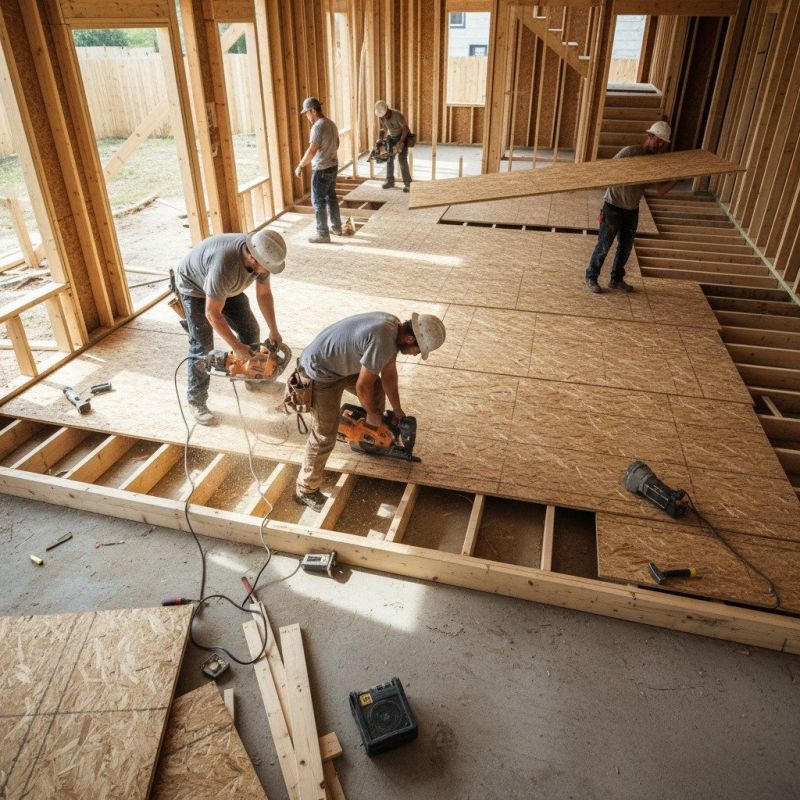
When evaluating potential service providers for subfloor installation, it’s important to consider their experience with similar projects. Homeowners should look for local contractors who have a proven track record of handling subfloor repairs and replacements in homes comparable to their own. An experienced professional will understand the common issues that lead to signs your home needs new subfloor installation and will be better equipped to address underlying problems effectively. Checking references or reviews from previous clients can provide insight into their expertise and reliability, helping homeowners feel more confident in their choice.
Clear and detailed written expectations are essential when comparing local contractors for subfloor services. Homeowners should seek providers who offer straightforward descriptions of what the job entails, including the scope of work, materials used, and any potential challenges. This transparency helps prevent misunderstandings and ensures everyone is aligned on the project’s goals. A reputable service provider will be willing to explain their approach and answer questions, making it easier to assess their professionalism and commitment to quality work.
Good communication is a key factor when selecting local pros for subfloor installation. Homeowners benefit from working with contractors who are responsive, approachable, and willing to keep them informed throughout the process. Effective communication can help address concerns early on and ensure that the project progresses smoothly. When comparing service providers, it’s helpful to observe how promptly they respond to inquiries and how clearly they convey information. Choosing a contractor who values open dialogue can lead to a more positive experience and a successful outcome for addressing signs your home needs new subfloor installation.
Property owners often search for signs your home needs new subfloor installation when they are planning practical projects around their homes and businesses. Local pros provide Subfloor Installation services for everyday jobs and straightforward project options.
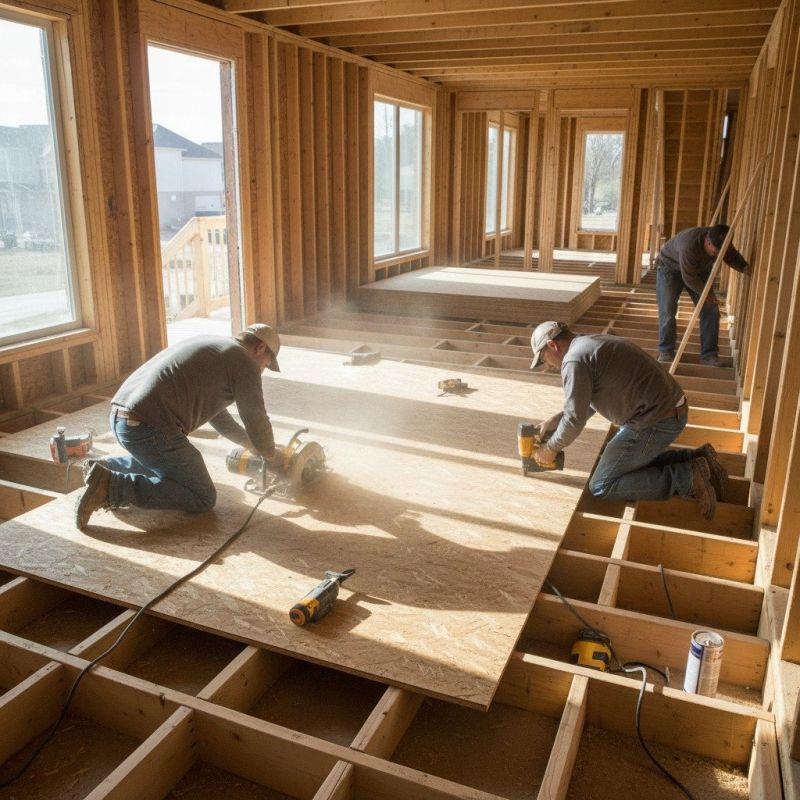
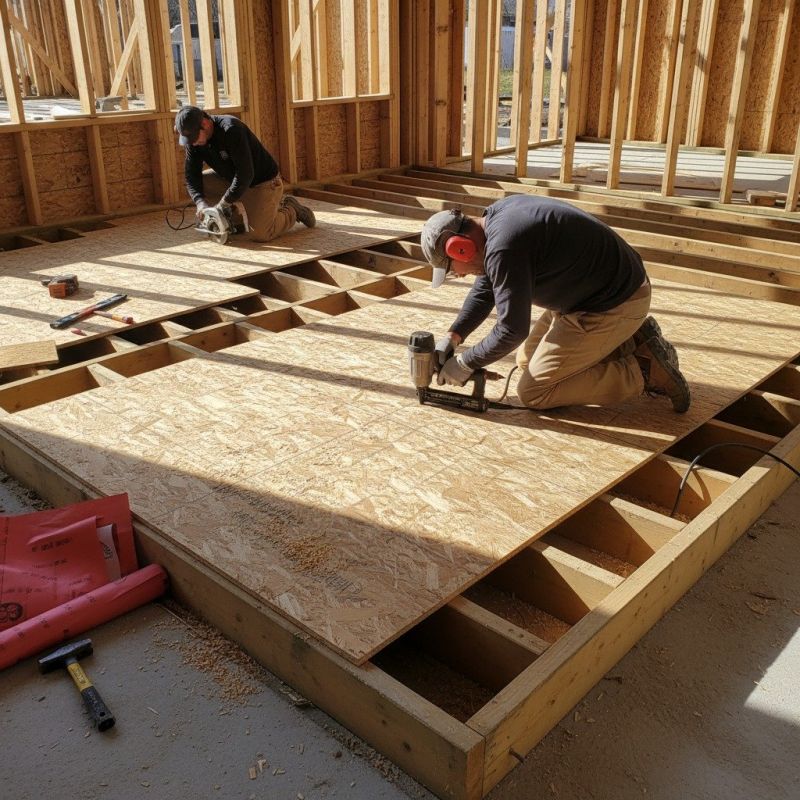
Homeowners in the area might start noticing signs that their home needs new subfloor installation when they experience uneven floors or creaking sounds that persist despite regular maintenance. If flooring feels spongy or shifts underfoot, it could indicate underlying issues with the subfloor that require attention. Additionally, visible damage such as sagging, warping, or water stains on the surface often point to compromised subflooring that may need to be replaced to ensure a stable and safe foundation for new flooring projects.
Other common indicators include persistent musty odors or increased drafts, which can suggest moisture problems affecting the subfloor structure. Cracks in the walls or uneven door frames may also be linked to shifting or deteriorating subfloor conditions. When these signs appear, property owners often consider reaching out to local contractors who specialize in subfloor installation services to assess the damage and provide suitable solutions. Connecting with experienced service providers can help restore the integrity of the home’s foundation and prepare it for future updates.
What are common signs that indicate a home needs new subfloor installation? Visible sagging, uneven flooring, or persistent creaking can suggest subfloor issues requiring professional assessment and replacement by local contractors.
How can I tell if my subfloor is damaged beneath the surface? If you notice soft spots, tiles or flooring that loosen easily, or recurring squeaks, these may be signs your home needs new subfloor installation from experienced service providers.
Are water stains or mold on the floor indicative of subfloor problems? Yes, water damage or mold growth beneath the surface often points to compromised subflooring that may need to be replaced by local specialists.
What flooring issues suggest the subfloor might be failing? Cracks in the flooring, bouncing or shifting when walked on, and persistent unevenness are signs that a home may require new subfloor installation from local contractors.
Can age be a factor in determining the need for subfloor replacement? Over time, wear and deterioration can lead to the need for new subfloor installation, especially if combined with other signs like sagging or damage detected during inspection by local service providers.
Visible Floor Damage - Cracks, warping, or squeaking floors can indicate underlying issues with the subfloor needing replacement. Homeowners can schedule inspections with local contractors to assess and address these problems.
Uneven Flooring Surfaces - Feeling uneven or bouncy floors may signal subfloor deterioration, prompting property owners to consider professional subfloor installation services.
Persistent Moisture or Mold - Signs of moisture damage or mold growth beneath flooring often require new subfloor installation to eliminate underlying issues and prevent further damage.
Flooring Installation Difficulties - Challenges in installing new flooring or frequent repairs may suggest the existing subfloor is compromised, encouraging a consultation with local service providers for replacement options.
If you are thinking about signs your home needs new subfloor installation for a property, this guide is meant to help you understand this topic, the typical project types, and how different options might fit your plans.
When you are ready, you can use the quote form on this page to share a few details about your project. From there, local pros can review the basics and follow up with options that match what you have in mind.