Subfloor Installation in Wilmington, NC
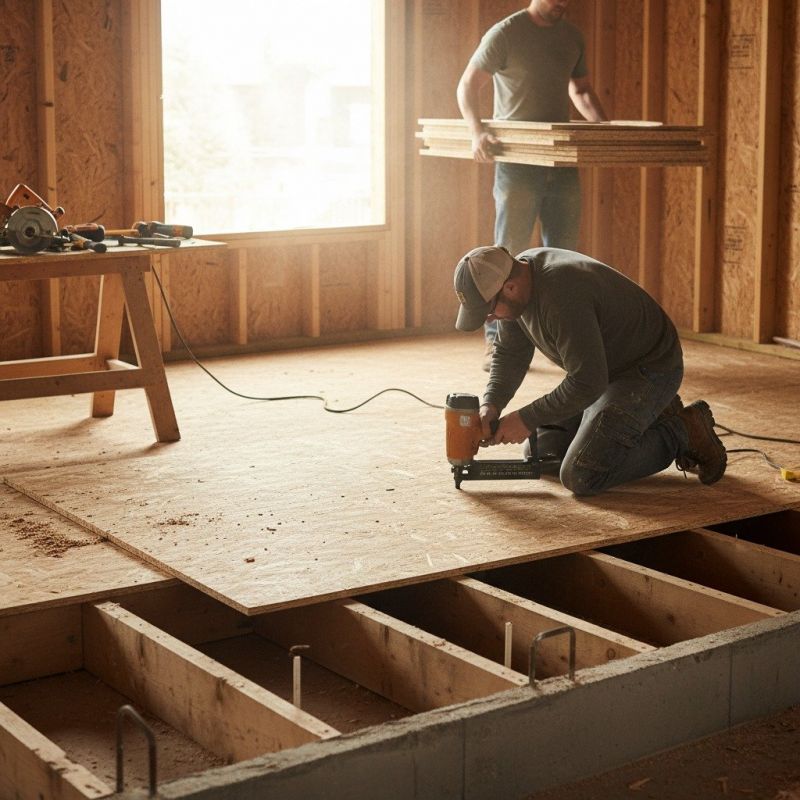
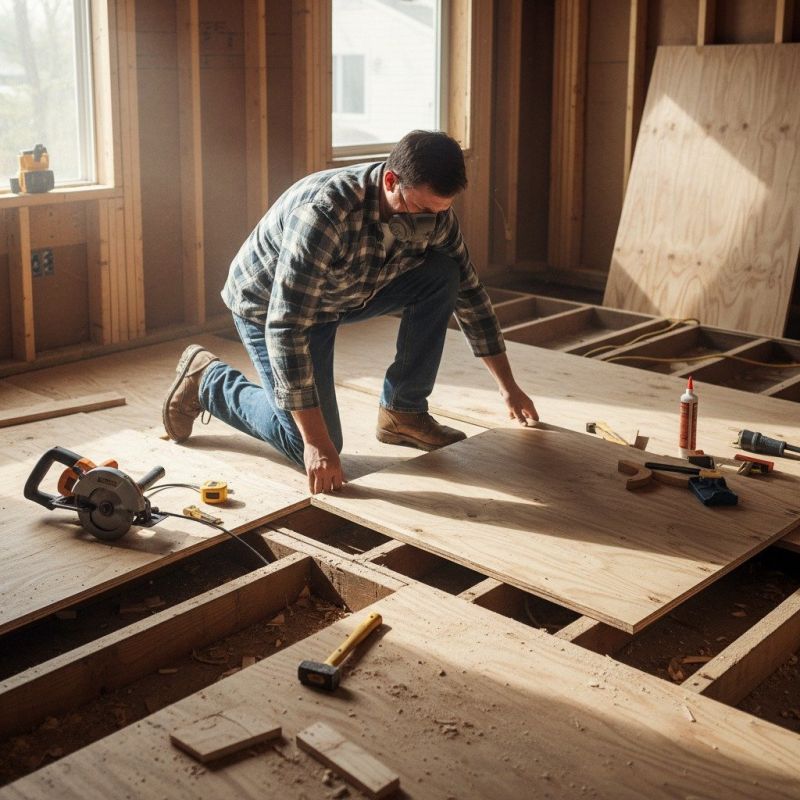
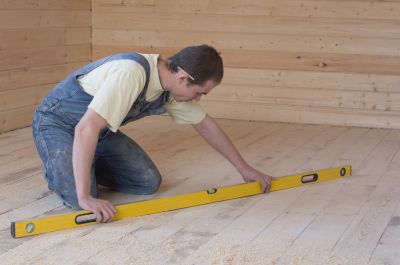
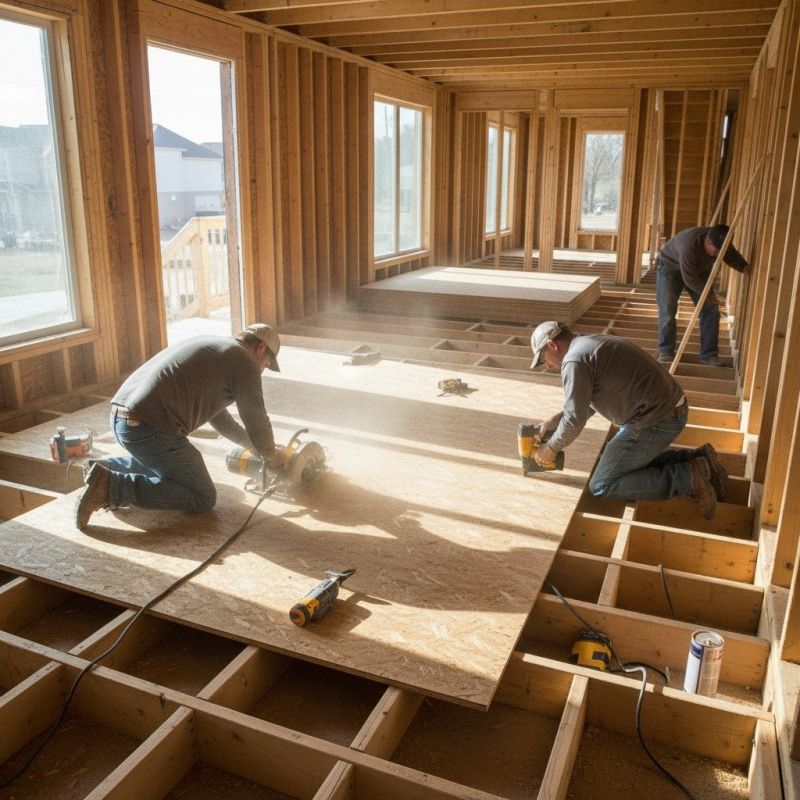
Subfloor installation services involve preparing and installing the foundational layer beneath flooring materials such as hardwood, laminate, tile, or carpet. This process is essential for creating a stable, level, and durable surface that supports the finished flooring and enhances its lifespan. Projects typically include replacing damaged or rotting subfloors, leveling uneven surfaces, or installing new subfloors during major renovations or new construction. Property owners often want to understand the types of subfloor materials available, the importance of proper installation for flooring performance, and how the process can impact the overall quality and longevity of their flooring project.
Homeowners considering subfloor installation should evaluate the current condition of their existing subfloor, including any signs of moisture damage, warping, or structural issues. It’s also helpful to understand the scope of work involved, such as whether the project requires removal of old materials or reinforcement of the underlying structure. Clarifying these details ensures that the installation process aligns with the specific needs of the property, leading to a solid foundation for the chosen flooring type and a successful renovation or new build.
Many property owners in Wilmington, NC look into Subfloor Installation for repairs, replacements, upgrades, and appearance-related improvements.
Subfloor Repair And Replacement
Ensuring a stable foundation for your flooring to prevent future issues.
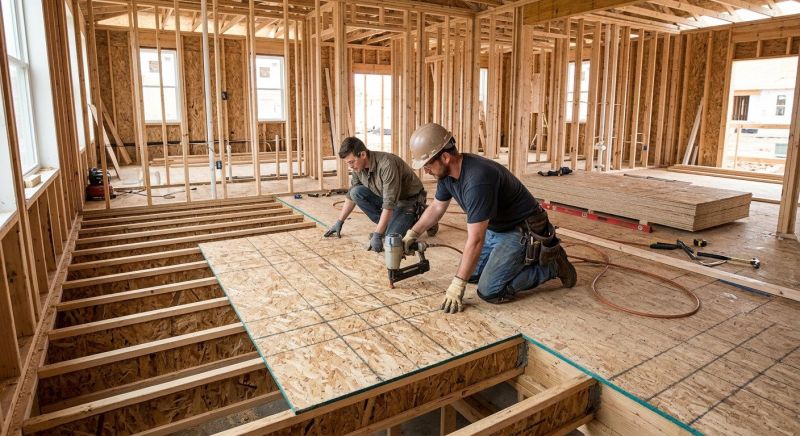
Subfloor Installation For Renovations
Preparing surfaces for new flooring in home upgrades and remodels.
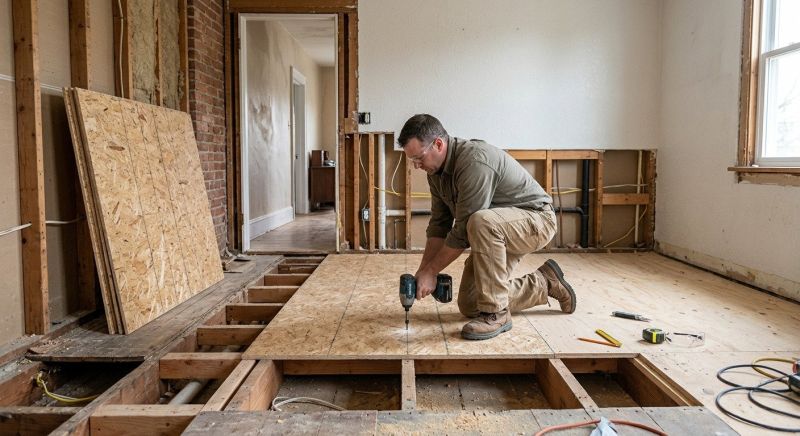
Subfloor Inspection And Preparation
Assessing existing surfaces to support durable and even flooring installation.
Subfloor Installation in Wilmington, NC
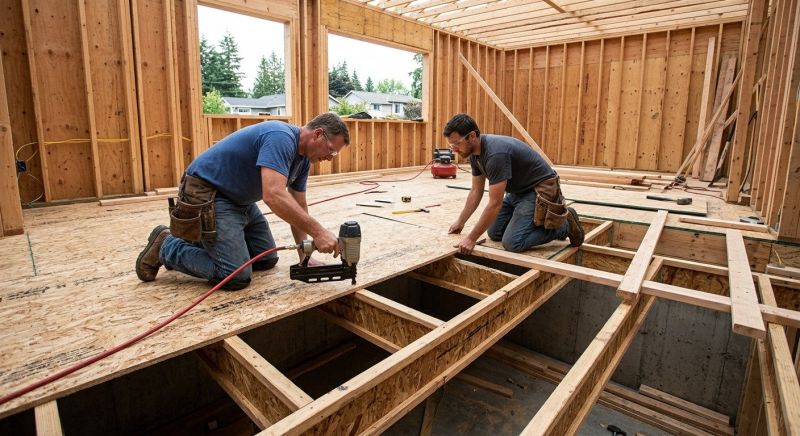
Subfloor installation services involve preparing and installing the foundational layer beneath flooring materials such as hardwood, laminate, tile, or carpet. This process is essential for creating a stable, level, and durable surface that supports the finished flooring and enhances its lifespan. Projects typically include replacing damaged or rotting subfloors, leveling uneven surfaces, or installing new subfloors during major renovations or new construction. Property owners often want to understand the types of subfloor materials available, the importance of proper installation for flooring performance, and how the process can impact the overall quality and longevity of their flooring project.
Homeowners considering subfloor installation should evaluate the current condition of their existing subfloor, including any signs of moisture damage, warping, or structural issues. It’s also helpful to understand the scope of work involved, such as whether the project requires removal of old materials or reinforcement of the underlying structure. Clarifying these details ensures that the installation process aligns with the specific needs of the property, leading to a solid foundation for the chosen flooring type and a successful renovation or new build.
Many property owners in Wilmington, NC look into Subfloor Installation for repairs, replacements, upgrades, and appearance-related improvements.
Common Subfloor Installation Jobs
Subfloor Installation - ensures a stable and level foundation for flooring projects.
Residential homes - often require subfloor replacement to repair water damage or rot.
Basement conversions - benefit from properly installed subfloors to create usable living spaces.
New construction - involves installing subfloors as part of the building process for added support.
Floor upgrades - include removing old subfloors and installing new ones for improved durability.
Moisture mitigation - involves installing subfloors that help control humidity and prevent mold growth.
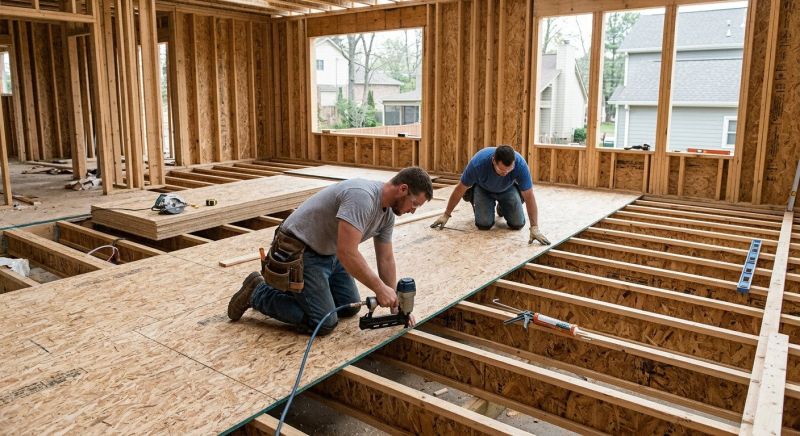
Subfloor Installation Questions
What is subfloor installation? Subfloor installation involves placing a supportive base beneath the finished flooring to ensure stability and durability in a property.
When should a property owner consider replacing the subfloor? Replacement is recommended when there is significant water damage, rot, or structural issues that compromise the subfloor's integrity.
What types of flooring require a subfloor? Most types of flooring, including hardwood, laminate, tile, and vinyl, require a properly installed subfloor for optimal performance.
What are common signs of subfloor problems? Signs include uneven flooring, squeaking sounds, cracks, or visible sagging in the floor surface.
Request Subfloor Installation in Wilmington, NC
Use the quote form on this page to share the basics of your project and request more information for the type of work you need.